

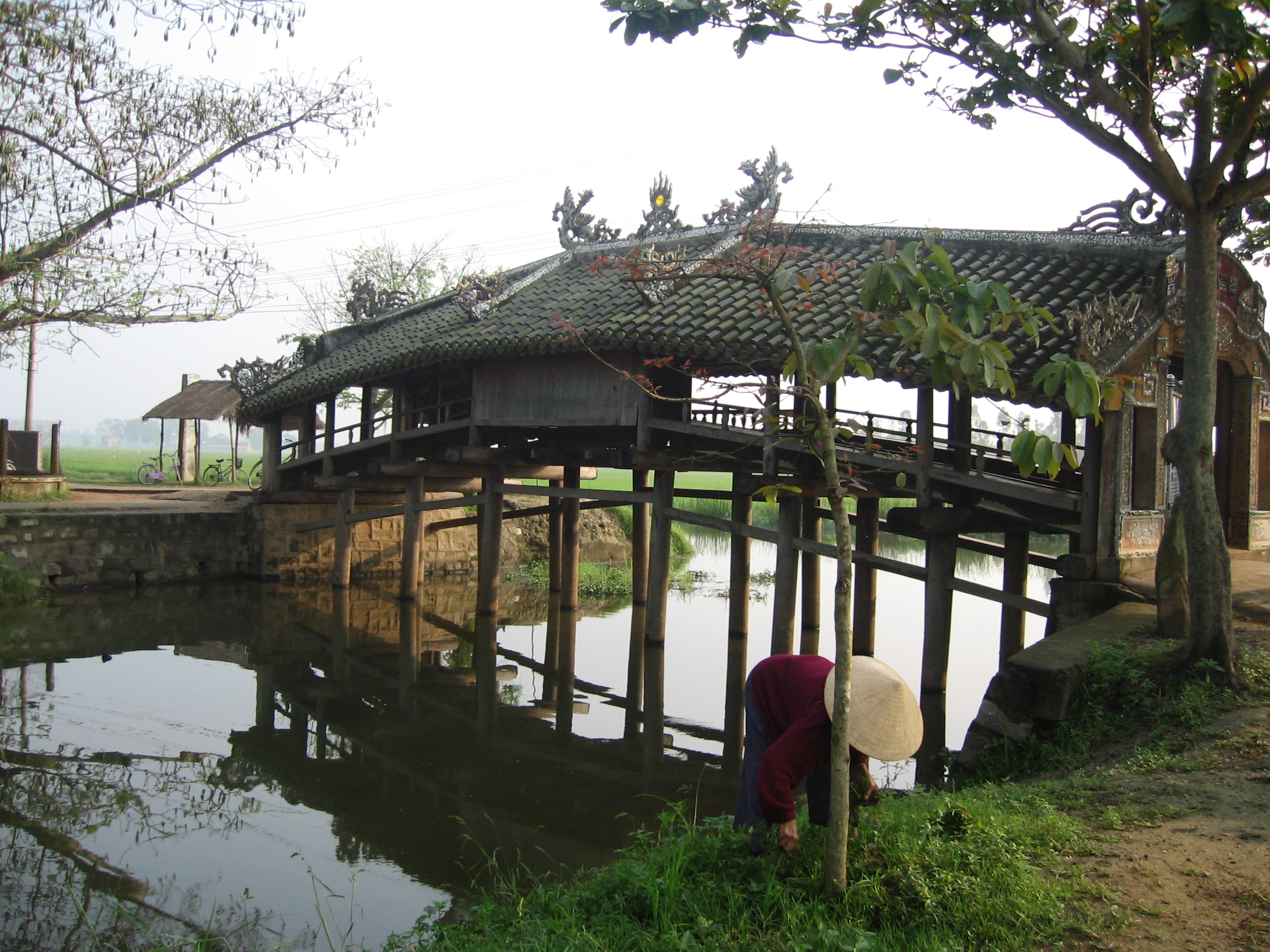
Hue is not a city that overwhelms visitors at first glance, it slowly reveals itself through layers of history, culture, and quiet beauty. As the former imperial capital of Vietnam, Hue offers a rare journey into royal heritage, spiritual landmarks, and poetic landscapes shaped by centuries of tradition. From ancient citadels and royal tombs to the gentle flow of the Perfume River, Hue invites travelers to slow down and experience Vietnam in its most refined and contemplative form.
1. The Imperial City of Hue – A Journey into Vietnam’s Royal Past
At the heart of Hue lies the Imperial City, a UNESCO World Heritage Site and the most powerful symbol of Vietnam’s last feudal dynasty. Built in the early 19th century under the Nguyen emperors, this vast complex once served as the political, cultural, and spiritual center of the nation. Walking through its ancient gates and courtyards, visitors are transported back to a time of royal ceremonies, mandarins, and imperial traditions.
Unlike other historical sites in Vietnam, the Imperial City offers a rare sense of grandeur combined with quiet melancholy. Weathered walls, moss-covered roofs, and traces of war damage add layers of depth to its beauty. Visiting this site is not only about sightseeing, it is about understanding Hue’s identity as the former capital and its enduring influence on Vietnamese culture.
2. Royal Tombs – Architecture in Harmony with Nature
Scattered along the banks of the Perfume River, the royal tombs of Hue are masterpieces of landscape architecture and philosophy. Each tomb reflects the personality, beliefs, and vision of the emperor it honors, blending man-made structures seamlessly with mountains, lakes, and gardens.
Among the most notable are the Tomb of Minh Mang, known for its symmetry and Confucian order, and the Tomb of Khai Dinh, which showcases a striking fusion of Eastern tradition and Western design. Visiting these tombs offers travelers a deeper understanding of how Vietnamese royalty viewed life, death, and the relationship between humans and nature.
3. Thien Mu Pagoda & the Perfume River – The Soul of Hue
Thien Mu Pagoda, overlooking the gentle curve of the Perfume River, is one of Hue’s most iconic spiritual landmarks. With its seven-story tower and peaceful surroundings, the pagoda embodies the calm, contemplative spirit that defines the city. It has witnessed centuries of historical events and remains a place of worship and reflection for locals today.
A boat trip along the Perfume River, especially at sunset, reveals another side of Hue: quiet, poetic, and deeply emotional. As the city slowly fades into golden light, travelers can feel the rhythm of life along the riverbanks, where history and everyday life coexist in harmony.
4. Hue’s Old Town & Local Life – Beyond the Monuments
Beyond its palaces and pagodas, Hue reveals its charm through everyday life in the old town. Small streets, local markets, and riverside cafés offer a glimpse into the slower pace of life that sets Hue apart from other Vietnamese cities. This is where travelers can truly connect with the people, their traditions, and their understated hospitality. Exploring Hue on foot or by bicycle allows visitors to experience the city in a more intimate way. From tasting traditional dishes to observing daily rituals, these simple moments often become the most memorable parts of the journey.
5. Best Time to Visit Hue
The most ideal time to visit Hue is from March to August, when the weather is generally dry and warm. During these months, the skies are clearer, making it perfect for exploring the Imperial City, royal tombs, and outdoor attractions such as Thien Mu Pagoda or boat trips along the Perfume River. This period also coincides with cultural festivals, including the Hue Festival, where traditional music, royal ceremonies, and performances bring the city’s heritage to life.
From September to November, Hue enters the rainy season. While rainfall can be heavy at times, this period offers a quieter and more introspective side of the city. Misty landscapes, ancient walls darkened by rain, and fewer crowds create a poetic and emotional atmosphere that appeals to travelers seeking a slower, more reflective journey. Visiting Hue during this season allows for deeper cultural immersion, though flexible travel plans are recommended.
6. What to Eat in Hue – Discover the Imperial Flavors
Hue is often considered the culinary capital of central Vietnam, known for its refined flavors and visually delicate dishes. Influenced by royal cuisine from the Nguyen Dynasty, Hue’s food emphasizes balance, elegance, and attention to detail rather than bold spices. Many traditional dishes were once prepared for the royal court and later adapted into everyday street food.
Among the most iconic experiences is tasting Hue’s traditional rice cakes such as banh beo, banh nam, and banh loc. These small yet flavorful dishes reflect the city’s culinary philosophy: simple ngredients elevated through careful preparation. Another essential dish is bun bo Hue, a rich and aromatic beef noodle soup that captures the soul of local cuisine with its deep broth and subtle spice.
For travelers, exploring Hue’s food scene is best done through local markets, small family-run eateries, and evening food streets. Each meal offers insight into Hue’s history, social customs, and the quiet pride locals take in preserving their culinary heritage.
7. How to get to Hue
For international travelers visiting Vietnam, flying to Hue from major gateway cities such as Hanoi and Ho Chi Minh City is one of the most convenient and time-efficient ways to reach the former imperial capital.
Besides, traveling to Hue by train is a popular choice for those who enjoy scenic journeys. The railway route along the central coast, especially the stretch passing through Hai Van Pass, is considered one of the most beautiful in Vietnam. Hue Railway Station is centrally located, allowing easy access to hotels and attractions upon arrival.
Planning a trip to Vietnam? Contact GP Travel today to book your perfect tour!
